he African Champions League rarely rewards the richest squad. Al Ahly's 11 titles tell a different story: defensive discipline, set-piece mastery, and a brutal efficiency in knockout rounds. Watch them absorb pressure for 70 minutes, then strike twice in five. It’s not luck. It’s a blueprint.Consider the 2023 final. Wydad Casablanca。
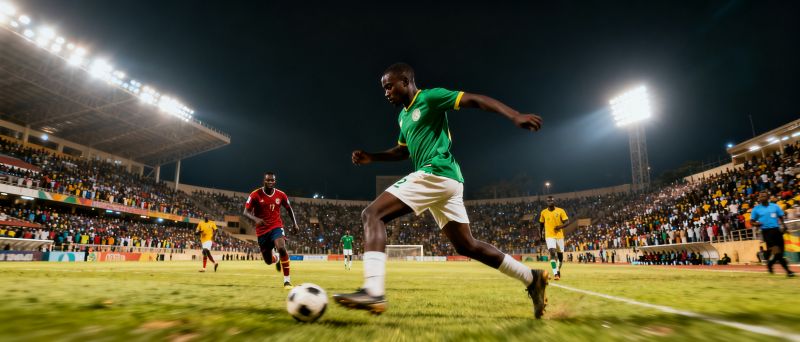
backed by a deafening home crowd, dominated possession but lost to a single counterattack. The winning goal came from a full-back overlap—a rehearsed pattern, not improvisation. That’s the African Champions League in a nutshell: margins are tiny, and tactical fouls near the halfway line often decide ties. I’ve seen more 1-0 grinds here than in any European competition. Coaches talk openly about “managing the second leg” before the first one even kicks off.Travel logistics matter more than most pundits admit. A team flying from Johannesburg to Cairo for a midweek group game faces six hours in the air, then a hostile 30。000-seat cauldron. Sundowns’ medical staff once told me they pack extra compression gear for every away trip. Little details—sleep schedules, pitch dimensions, even the type of grass—sway results in the African Champions League. Home advantage isn’t just noise;it’s accumulated fatigue for the visitors.Youth academies are quietly shifting the balance. Mamelodi Sundowns’ reliance on local graduates like Cassius Mailula (sold to Toronto FC) shows a sustainable model. Meanwhile, North African clubs still lean on experienced imports from Europe’s lower leagues. Neither approach guarantees success—TP Mazembe’s decline after losing their scouting network proves that. The African Champions League demands adaptability. A team that presses high in Lubumbashi’s humidity must sit deep in Tunis. One-size-fits-all tactics fail.Refereeing consistency remains the elephant in the room. VAR has improved penalty decisions, but injury-time lengths vary wildly—anywhere from three to nine minutes. Players notice. So do coaches。
who publicly count seconds in post-match interviews. My observation: the best clubs prepare for chaos, not fairness. They train for a disallowed goal and a sudden red card. That mental steel, more than any transfer fee, defines African Champions League winners. The trophy doesn’t go to the most talented side. It goes to the most stubborn.